default

2018-01-24 Winning The Lottery – Not So Good

From article in https://www.fool.com/retirement/2018/01/27/maybe-you-were-better-off-not-winning-the-lottery.aspx

Burning cash

CNN reports that Americans spent over $80 billion on lottery tickets in 2016, or more than they spent on books, movies, music, sports tickets, and video games combined. That’s the equivalent of almost $250 being played by every man, woman, and child in the U.S., and since kids can’t buy lottery tickets (and more than a few people don’t play the lottery), some individuals are spending way more on a hope and a dream — more like on a wing and a prayer — than is good for them.

They are gambling addicts.

default

2018-01-23 Reply To Banned Without Notice

reply to a FB group admin

I was really flustered last week when I was “banned without notice” for something I had no idea apparently would offend someone – a moderator.  What did I do wrong?

In another group I was banned because someone else was offensive, and when I blocked him, *he* complained to the admin!  And the admin believed him!

In both cases, I had to indirectly contact the admins to get reinstated.  In both cases I was given *no* notice, which was highly unfair, because I was not aware I did anything wrong!

Therefore I sincerely request that administrators and moderators contact the supposed offender before banning.  At least the admin will get both sides of the story, and an apology if the offender has unintentionally broken some rule.

Thank you.

default

2018-01-22 Demo Of Wireless Charging

for FB group Electronics Hobbyists

The demonstration of a wireless charging circuit that I built uses a Joule Thief circuit with two yellow LEDs in series.  The coil is a hand wound loop about 75 mm or 3 inches diameter.  A second loop of gray wire with a white LED (dimly lit at bottom) is used as the pickup coil, which would be in the device to be charged.

default

2018-01-21 WECo 555 Manual Switchboard

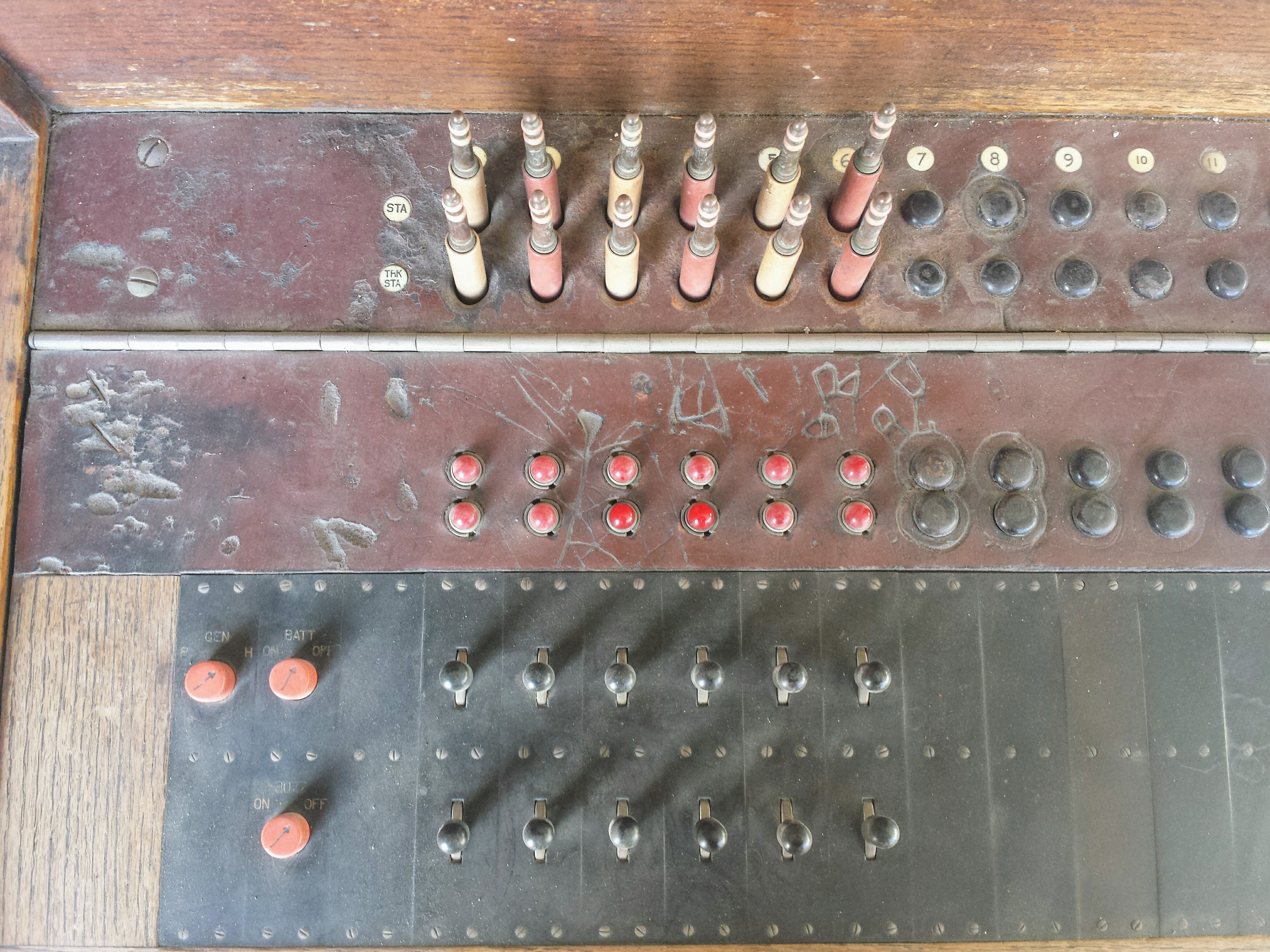
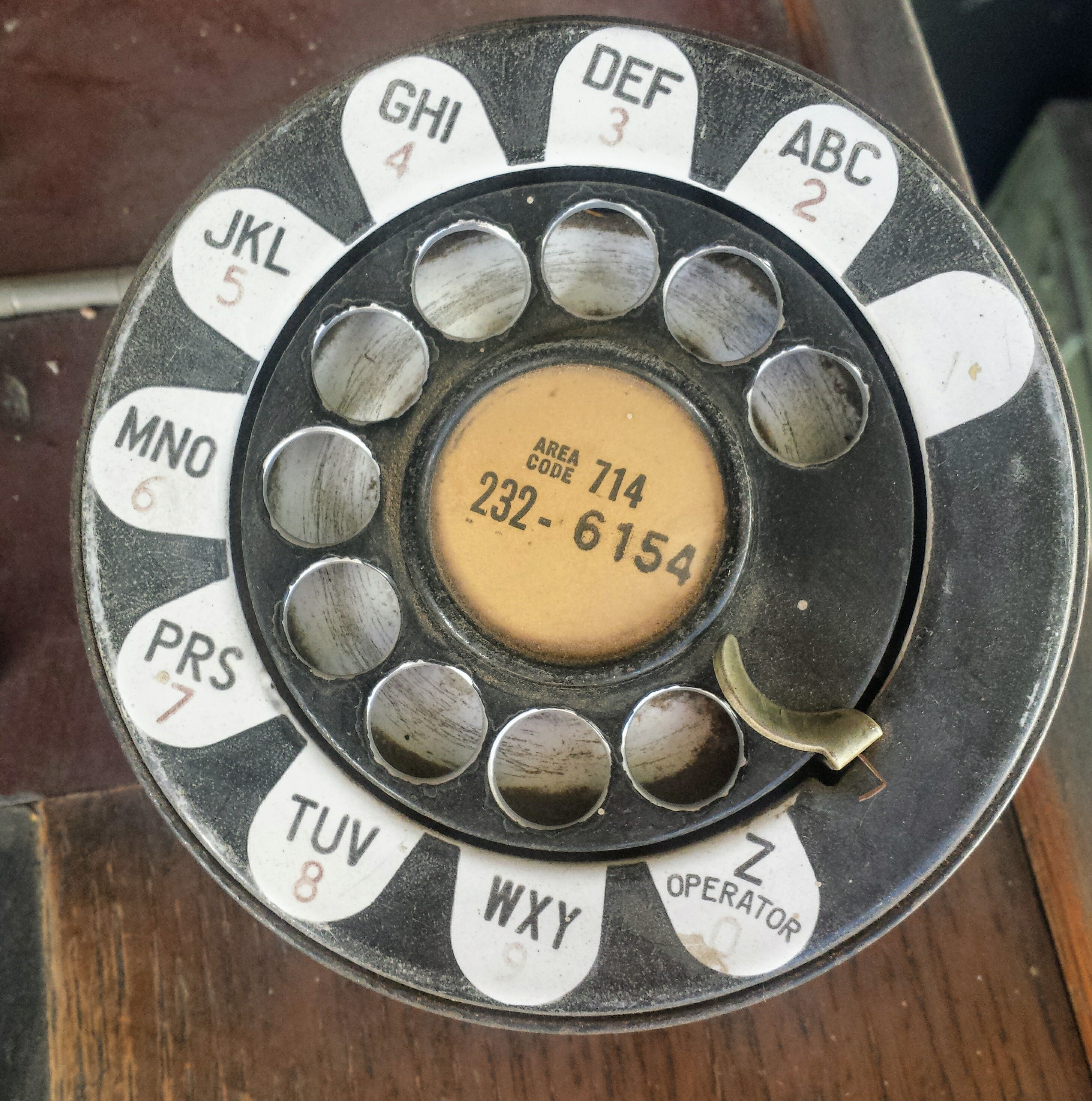
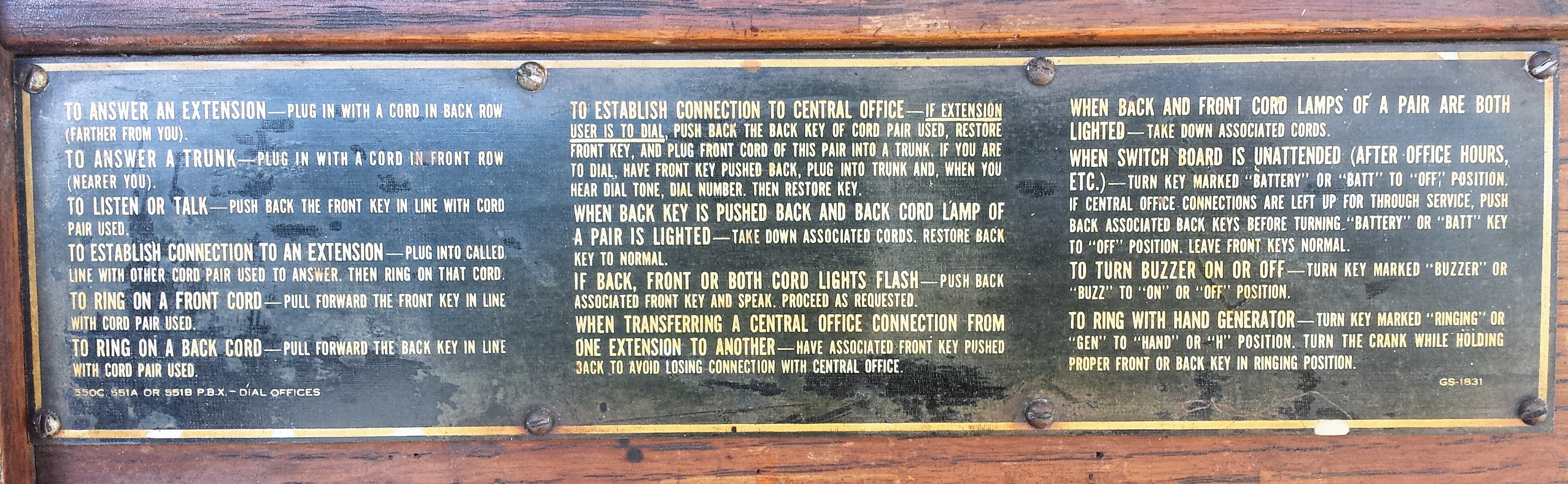
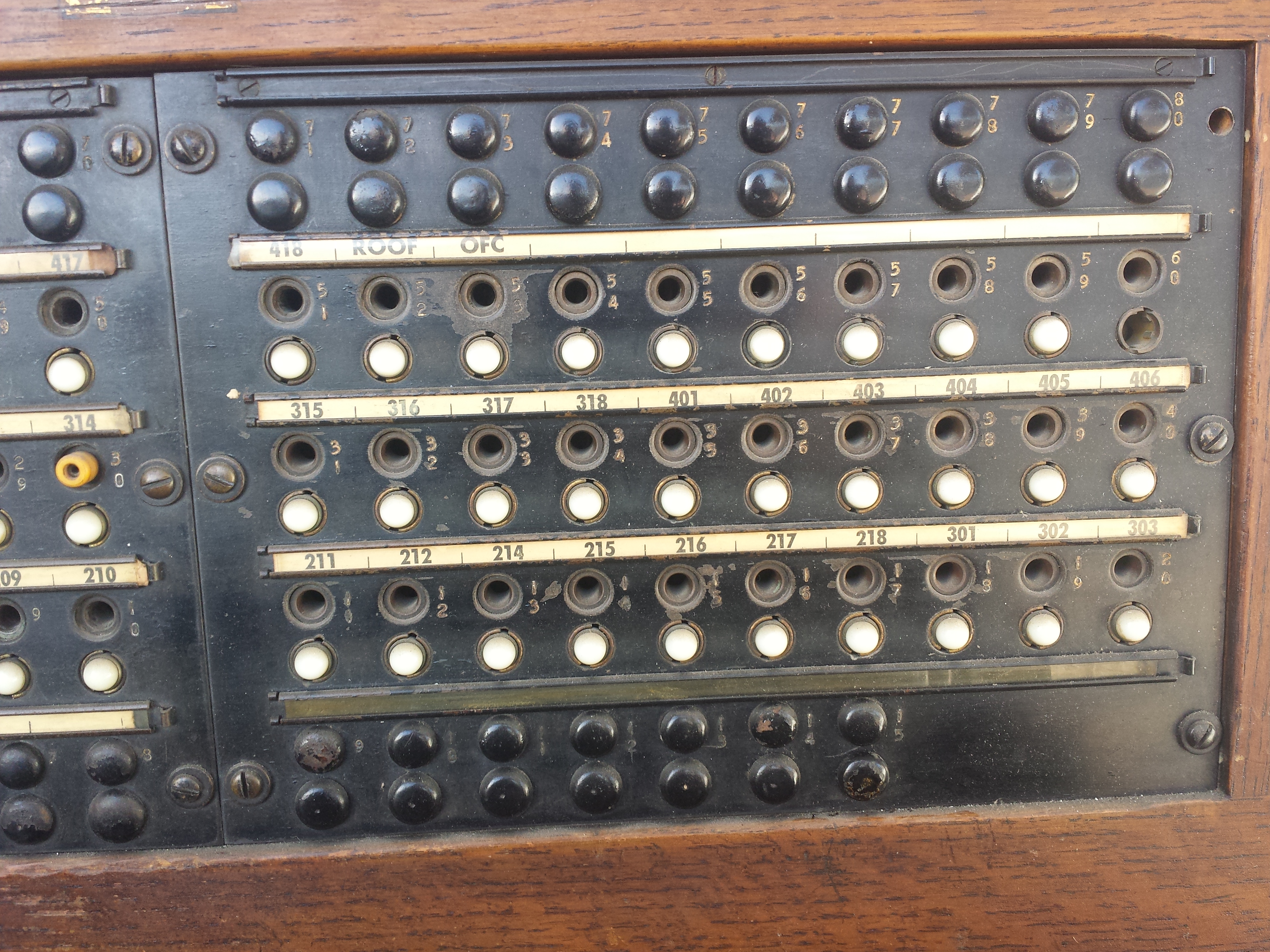
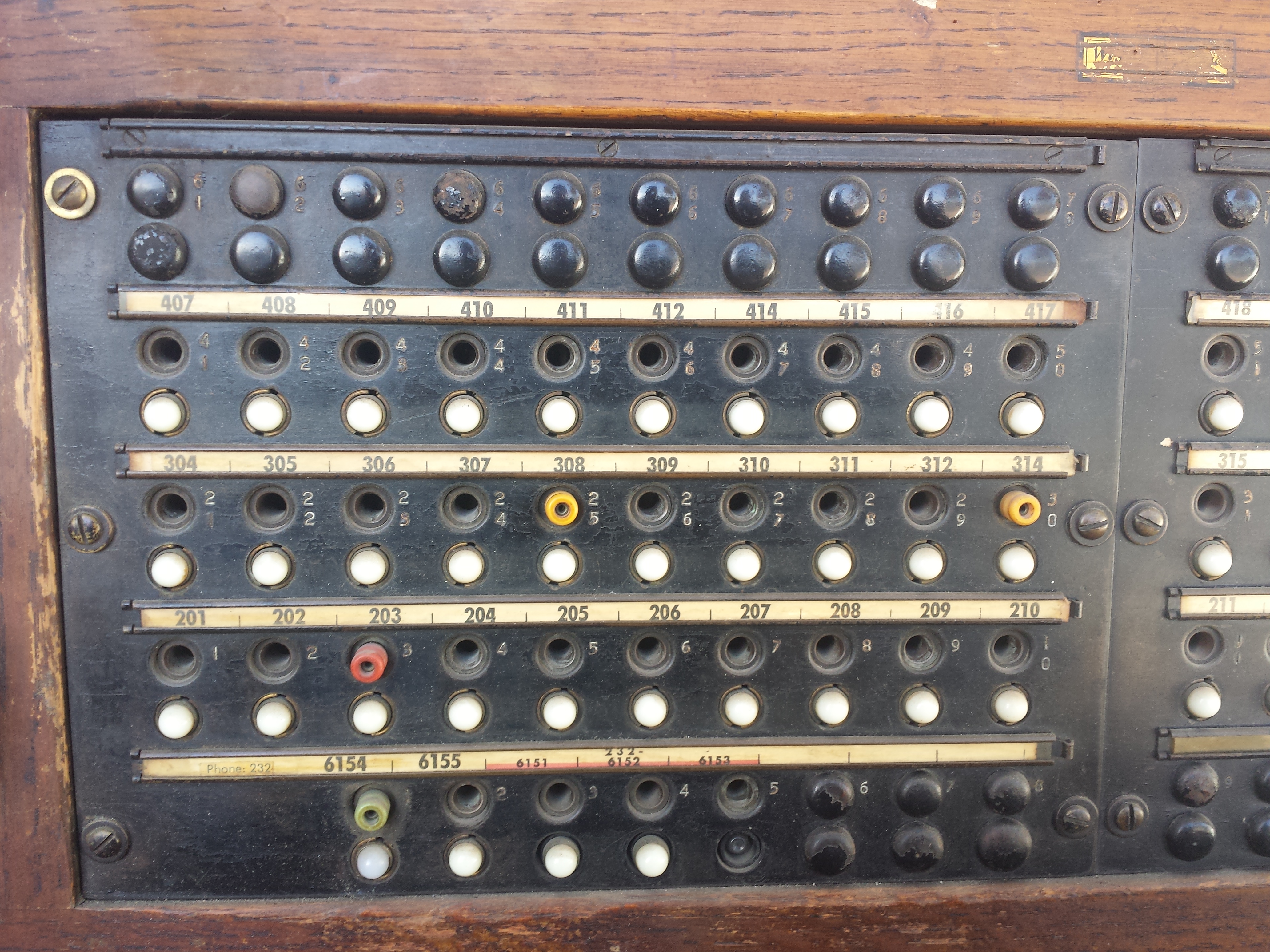
This Western Electric 550 or 555 manual switchboard was used in the OUSD Administrative HQ when it was in the old bldg on Glassell that is now the Chapman University College of Law.  It was rescued from the dump.

I hope to find a new local home for it where it can be seen by others as a piece of history.

default

2018-01-20 Supplemental AM BC Band

Also posted to FB group vintage transistor radios.

Sounds like the SW bands could be used for local broadcasts.  A segment of the band could be ‘designated’ as a supplementary AM band.

Broadcasters would be limited to low power, enough to cover just a small city.  

Then the regulators could allow electronic manufacturers to sell a downconverter box that puts the designated segment on the AM band frequencies.  Just put it next to an AM receiver and listen to the ‘expanded AM band.’

default

2018-01-16 Welfare and Welfare-Mart

From FB group Orange Talk

Heidi Norris Dawson
Okay, then ‘they’ pack up and move to a different county or state.  Turns out that the country’s biggest private employer, Walmart, or possibly some other retail company, is the only employer with jobs available.  So ‘they’ decide to take out a huge student loan and go back to college and get trained in a good paying profession.  ‘They’ get a certificate as an electrician.  They get their union card and serve an apprenticeship.   But there is nearly no work in the area because the people are packing up and leaving for the major metro areas.  The prices of real estate are down in the area.  ‘They’ still have to work at a part-time retail job.  See, Walmart has no full-time jobs, so the only available jobs are “part-time” but Walmart makes their part-time workers work almost 40 hour weeks, so they make only part-time wages and get no benefits.  That’s why there are a lot more workers working full-time but still getting welfare/food stamps.  Blame Welfare-Mart for that problem.

default

2018-01-09 Regenerative Radios Are Too Difficult

For FB group Building Transistor Radios

Bob Johansen

After building several of the regenerative receivers, I think I figured out the reason why regens are so difficult.  The circuit has to do so much with very few parts.  If one part value is changed to improve one thing, it adversely affects something else.  The tickler coil has to make the Q of the circuit much higher, in order to get good selectivity.  At the same time it has to amplify without oscillating.  But then when it’s on the verge of oscillating, it’s unstable, so it has to be manually adjusted to keep from breaking into oscillating.  All of this instability is what we who design and build our own circuits try to avoid by good design, and it goes against common sense things I’ve been doing for decades.  I had one that worked so much better when I connected the ‘scope probe to it.  That probe cannot be included in the final design!
I’ve been experimenting with superhet receivers and despite being more complex, they are so much better in so many ways.  Regens are not for those who want to have a receiver that works with consistency and stability.

default

2018-01-08 RF Oscillator For AM Band

For FB group Building Transistor Radios
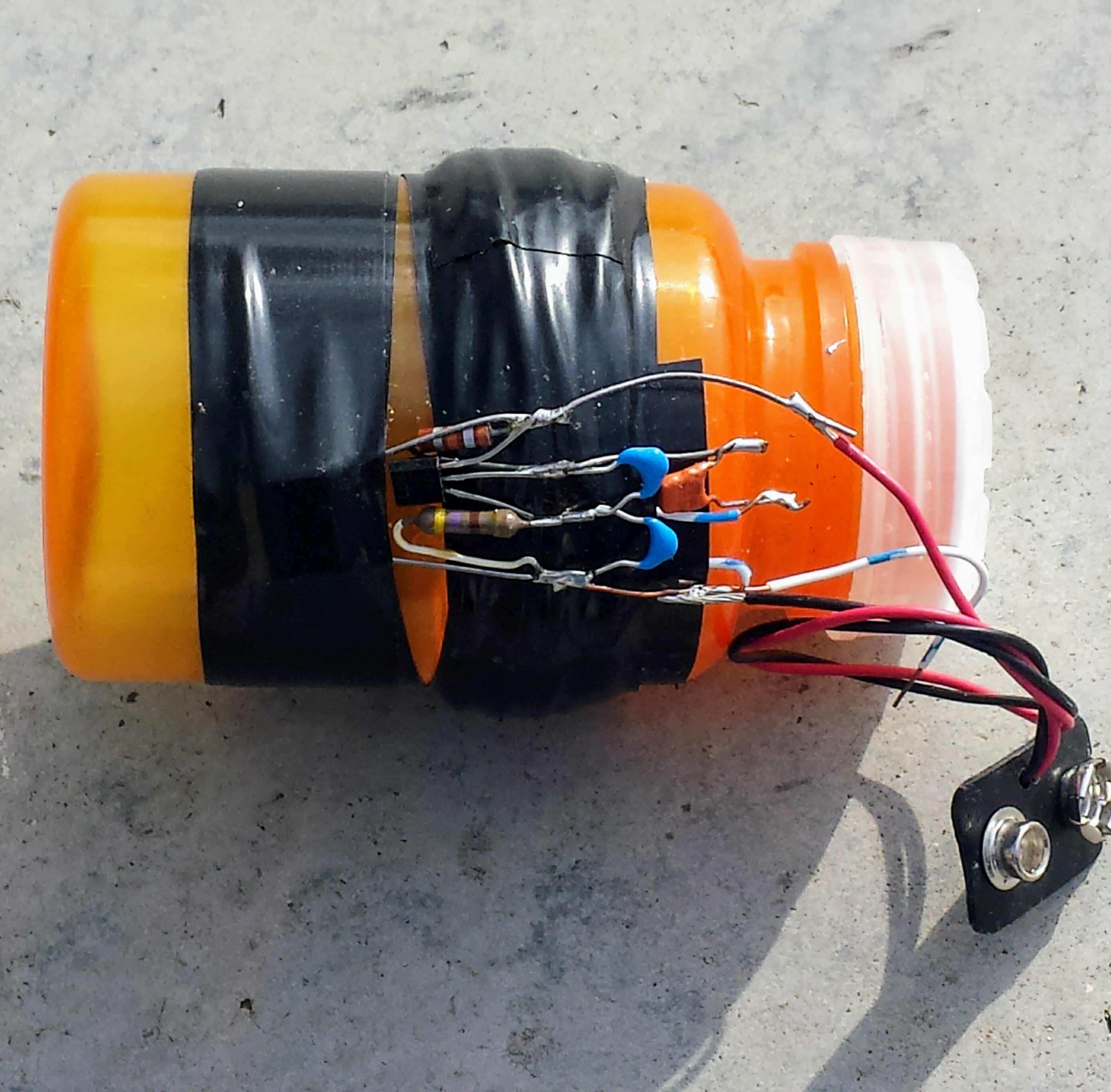
When I started building regen receivers, the first thing I found I needed was a simple  signal generator.  I have a function generator, but every time I want a different frequency, I had to readjust the controls.  So I built a few RF oscillators to put close to the receiver so I can adjust the receiver.  This is one of them.  They need only a single transistor, a few other parts, and a coil that I made out of a pill bottle and some telephone wire.

All of the important parts are visible.  The .22 uF power supply bypass capacitor is hidden under the black tape to the left.

The two blue capacitors are 2.2 nF.  The windings under the tape are enough to make 75 microhenrys.  This inductance along with the two blue caps resonate at 560 kHz., the low end of the AM band.  Less inductance and/or capacitance gives a higher frequency.  The .22 uF red capacitor blocks the base bias from going through the coil.  The 470 ohm (yellow, violet, brown) resistor is the emitter load resistor.  The 39k (orange, white, orange) is the base bias resistor.  The collector and base bias resistor are connected to the positive 5 to 6 volts.  

The supply voltage can be modulated by putting a transformer in series with the supply.

default

2018-01-05 Test Equipment And Kits

Also FB group Building Transistor Radios

When I was a teenager, my high school friend and I worked for a guy who had acquired many thousands of dollars worth of test equipment.  We used equipment with famous names such as Hewlett Packard, General Radio, Boonton, Fluke and many others.  In the army, it was the same thing, only more specialized, for Radars. After that I assembled several Heathkits – that was all I could afford.  

Heathkit is long gone, but there are several kits on the market that will help the electronic experimenter.  Some of the kits are:

DMM Digital Multimeters – For years an inexpensive DMM has been available online and from Harbor Freight Tools.  One brand is Cen-Tech and costs 5 dollars US or less.  Better ones are available, with prices up to hundreds of dollars.  Better ones have auto ranging and more functions.  The latest ones have an oscilloscope built-in.

Transistor Tester – actually a component tester and identifier.  Resistors, capacitors, inductors, diodes, and some combinations.

Oscilloscopes such as the DSO138 kit.  Low bandwidth but okay for audio.  Single channel, and inexpensive.  Not an easy kit to assemble.

Frequency Counters – some are made for checking RF transmitters in the VHF and UHF bands.  Gooit is not a kit but is inexpensive.  Some DMMs come with a frequency counter.  Make sure the one you buy will cover the frequency range you are going to test.

Frequency Generators – Some frequency counters have a simple generator.  There are different types.  One is a function generator, which puts out Sine, square and triangle waves.   Another is an audio frequency generator.  And another is an RF (radio frequency) generator.

Signal Tracer – Basically a high impedance, high gain audio amplifier with a probe.  They also have a detector to change an amplitude modulated RF to audio.  Some can also inject a signal.

Power Supply – There are many different kinds, and many different prices.  For working on transistor projects, a 0 to 20 volt, up to 1 amp regulated power supply will take care of most requirements.

default

2018-01-03 Frank Lundquist, Telephone Inventor

From FB group Bell Telephone…

Keelan Lightfoot

I have never seen any of the switching equipment, but it had to be electromechanical, something along the likes of strowger  switches.  The dial phone my friend has was working many decades ago, but the oil has gummed up.  It has five vertical levers, their ends stick out of the dial plate, each lever is pulled down to a digit.  When the levers are set to a number, a release button lets  them consecutively travel back to their reset position, dialing the number.

The handset for the phone was made of standard telephone equipment parts for that day.  I can’t remember what the nameplate said, but the inventor was from Kansas, not likely Lindsborg or close by.  There are a lot of Swedes in that area, and I remember seeing Swedish American Telephone Co. on old wooden wall phones from there.  I will have to look at some documents and ask some questions to find out more.  I would also like to find out more about the history and technology of that inventor.

I found several patents on Google with the name Frank A. Lundquist.  They were mostly from the early 1900s.

Links:

http://www.kshs.org/p/kansas-historical-quarterly-the-invention-and-development-of-the-dial-telephone/13134 

© RustyBolt.Info/wordpress
CyberChimps